
Planning a group trip to Poland and Central & Eastern Europe (CEE) is an adventure into a region of fairytale castles, complex history, and vibrant, budget-friendly cities. For groups—whether student organizations, extended families, or tour groups—this region offers an incredible density of experiences.
In this guide, we will provide essential tips on how to plan and organize a group trip through the heart of Europe, with a special look at why bus travel remains the champion of connectivity in this region.
Why Chose Poland and Central Europe?
The region comprising Poland, the Czech Republic, Slovakia, and Hungary is the perfect playground for group travel. Unlike Western Europe, where costs can skyrocket, Central Europe offers world-class culture and cuisine at a fraction of the price. From the medieval market square of Krakow to the thermal baths of Budapest, the proximity of these capitals makes it easy to visit multiple countries in a single trip.
Transportation Options for Groups
When moving a group across borders—for example, from Warsaw to Prague or Krakow to Budapest—logistics are everything. Here is how the options stack up for group organizers.
1. The Bus (The Smart Choice)
In Central and Eastern Europe, the bus network is often superior to the rail network in terms of reach and frequency.
- Pros:
- Unbeatable Connectivity: Buses connect not just capital cities, but also hidden gems like Zakopane (Poland) or Český Krumlov (Czechia) that are difficult or impossible to reach directly by train.
- Cost-Efficiency: For groups, the bus is almost always the most economical option, leaving more budget for museums, dining, and experiences.
- Modern Comfort: Modern fleets are equipped with reclining seats, air conditioning, Wi-Fi, and power outlets, making the journey part of the relaxation.
- Direct Routes: Many bus routes in CEE go point-to-point without the need for the stressful transfers common with regional trains.
- Cons:
- Traffic can occasionally impact arrival times in major city centers during rush hour.
2. The Train
- Pros:
- Scenic routes through rural landscapes.
- Good for high-speed connections between major capitals (e.g., Warsaw to Berlin).
- Cons:
- Fragmented Network: Rail infrastructure in Eastern Europe is still modernizing; cross-border connections often require transfers or travel on older, slower rolling stock.
- Price: High-speed intercity tickets can be expensive for large groups if not booked months in advance.
- Luggage Hassle: Hauling group luggage on and off trains during short stops can be stressful.
3. Air Travel
- Pros:
- Fast for long distances (e.g., Gdansk to Budapest).
- Cons:
- Misses the “In-Between”: You fly over the beautiful countryside without seeing it.
- Airport Logistics: By the time you bus the group to the airport, go through security, and bus to the city center on arrival, you haven’t saved much time compared to a direct coach.
4. Car Rental
- Pros:
- Flexibility for very small groups (4-5 people).
- Cons:
- Not Scalable: Coordinating a convoy of rental cars for a large group is a logistical nightmare.
- Parking & Zones: Historic city centers in Poland and Prague often have strict “resident only” zones or expensive parking, making cars a liability.
Suggested Bus Routes for Groups
One of the biggest advantages of bus travel is the ability to create a “loop” itinerary. Here are two popular routes optimized for bus travel:
The “Royal Capitals” Route
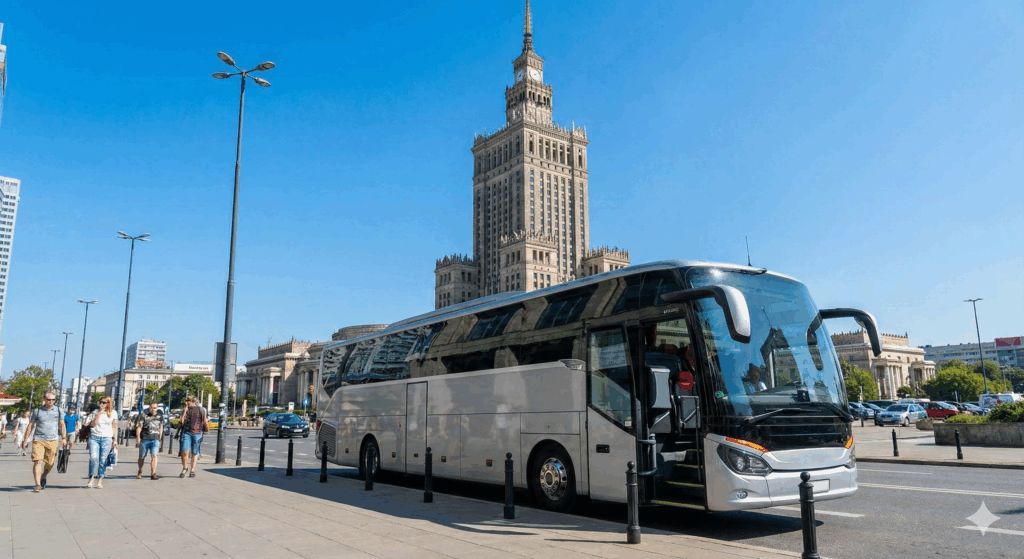
- Warsaw (Poland) → Krakow (Poland) → Prague (Czechia)
- Why it works: This is the classic Central European corridor. The bus ride from Krakow to Prague is scenic and efficient, often cheaper and more direct than the train alternative.
The “Danube & Mountains” Route
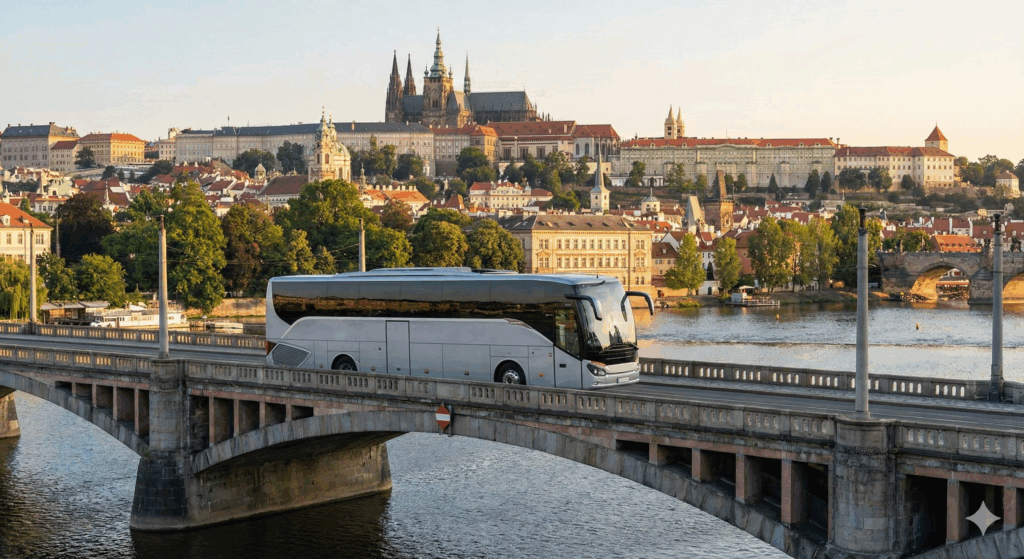
- Krakow (Poland) → Zakopane (Tatra Mountains) → Budapest (Hungary)
- Why it works: Trains struggle with the mountainous terrain between Poland and Slovakia. A bus easily navigates the stunning Tatra mountains, allowing a stop in the resort town of Zakopane before heading south to Budapest.
Tips for booking group tickets and securing discounts
- Advance Booking: book tickets well in advance to ensure availability and get better rates.
- Group Discounts: check with transportation companies for special discounts for groups.
- Flexibility: be flexible with travel dates and times to take advantage of promotions and reduced fares.
- Coordination: designate one person responsible for coordinating bookings and confirming details to avoid confusion.
Planning your route
Suggested Routes
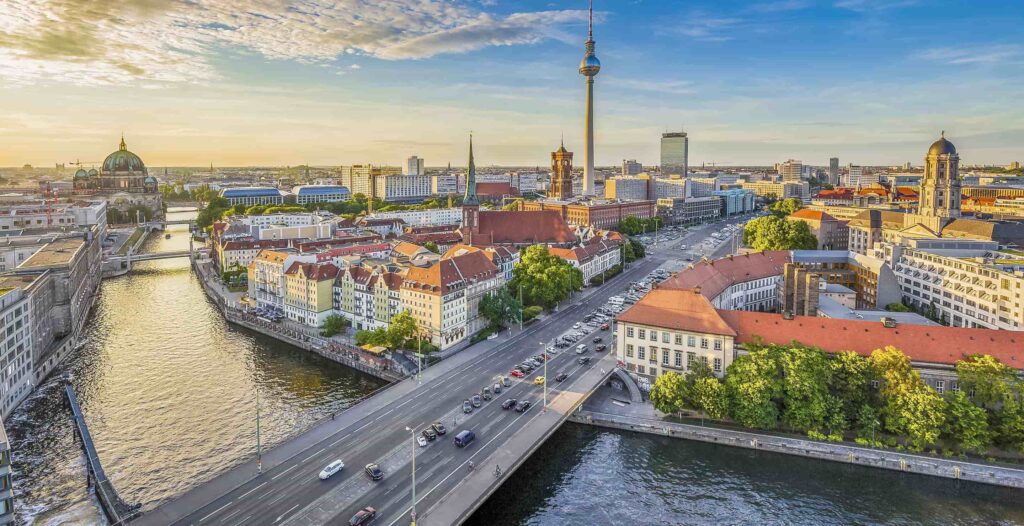
- Warsaw to Berlin: A “Capital Connection” that is fast and convenient. It bridges the gap between Eastern and Western Europe in under 6 hours by road, allowing groups to compare the reconstructed history of Warsaw with the vibrant modernity of Berlin.
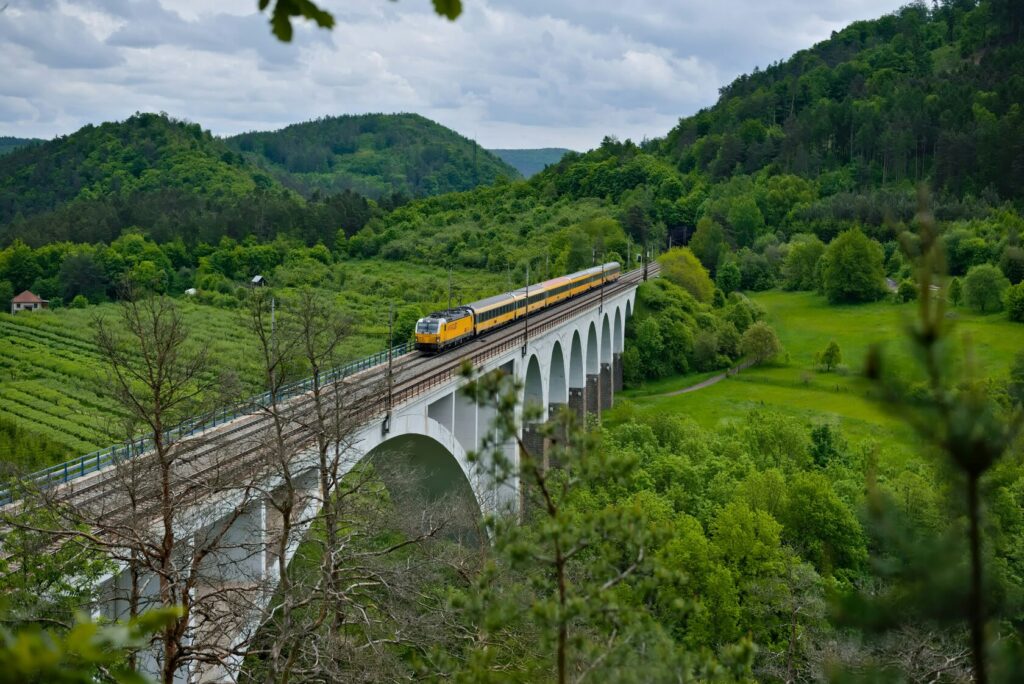
- Krakow to Prague: The most popular choice for cultural groups. This route takes you from the medieval grandeur of Poland’s former capital through the rolling hills of Moravia directly to the “City of a Hundred Spires.”
- Krakow to Budapest (via Slovakia): A scenic alternative to the direct route. This path cuts through the dramatic landscapes of the Tatra Mountains and Slovakia, offering breathtaking views before arriving in the “Pearl of the Danube.”
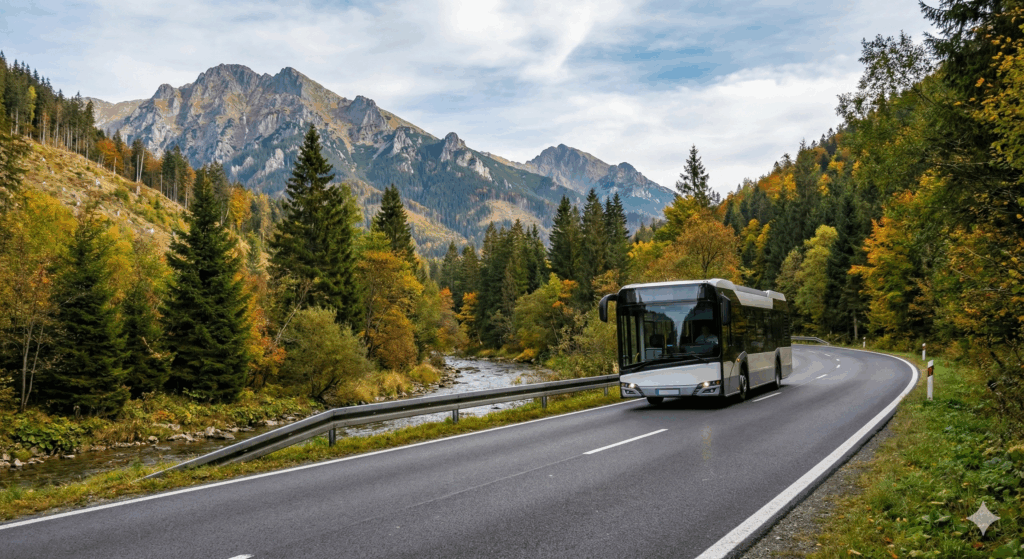
Border crossing requirements
Border Crossing Requirements Poland, the Czech Republic, Slovakia, Hungary, Austria, and Germany are all part of the Schengen Area. This means there are generally no physical border controls between these countries. However, it is mandatory for every group member to carry a valid passport or national ID card at all times. If your group includes non-EU citizens, ensure their visas cover all specific countries on your itinerary.
Top destinations and points of interest in Central and Eastern Europe
Prague, Czechia
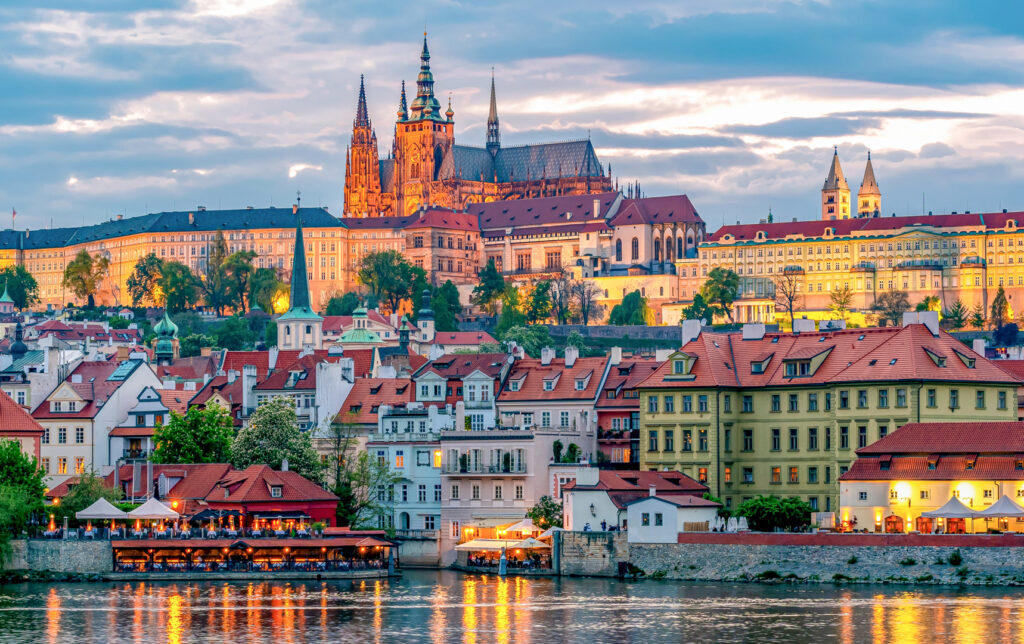
- Charles Bridge: A historic stone bridge lined with statues, perfect for a group photo, especially at sunrise.
- Prague Castle: One of the largest ancient castle complexes in the world, offering stunning city views and history.
- Old Town Square & Astronomical Clock: The vibrant heart of the city, where groups can gather to watch the hourly clock show.
Vienna (Austria)
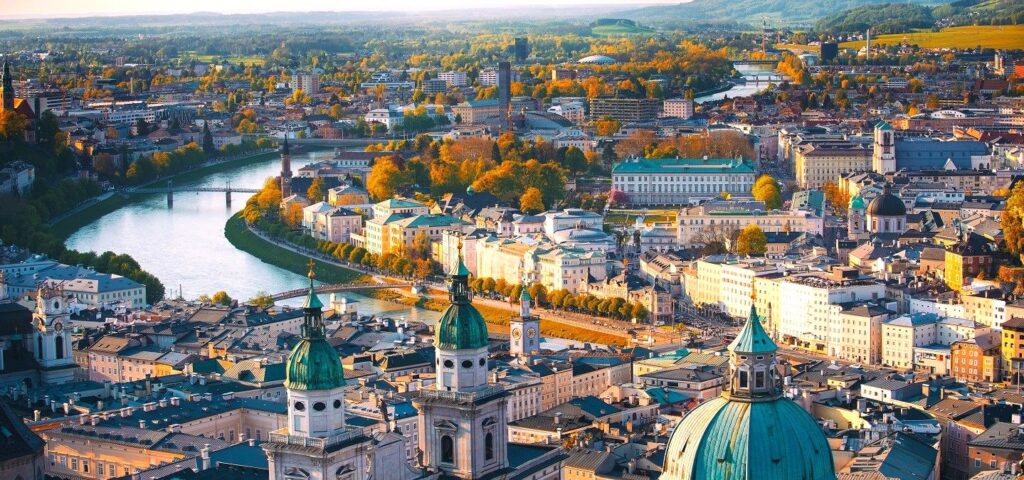
- Schönbrunn Palace: The opulent former summer residence of the Habsburgs, with vast gardens ideal for group strolls.
- St. Stephen’s Cathedral: An iconic Gothic masterpiece in the center of the city with a beautifully tiled roof.
- The Hofburg: The former principal imperial palace, housing several museums including the Imperial Apartments and the Sisi Museum
Budapest, Hungary
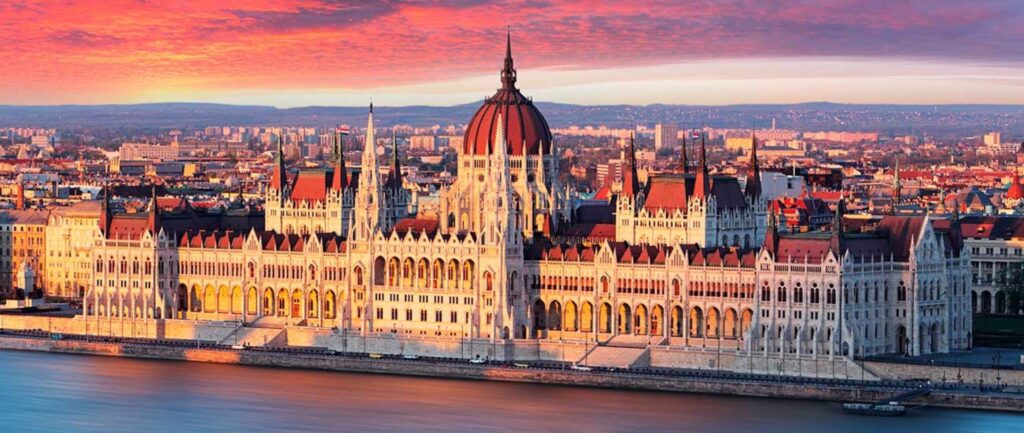
- SHungarian Parliament Building: A massive, stunning Gothic Revival building on the banks of the Danube, best viewed from a river cruise.
- Fisherman’s Bastion: A fairytale-like terrace offering some of the best panoramic views of the city and the Parliament.
- Thermal Baths: Famous baths like Széchenyi or Gellért are perfect for a relaxing group activity after days of sightseeing.
Tatra Mountains (Poland, Slovakia)
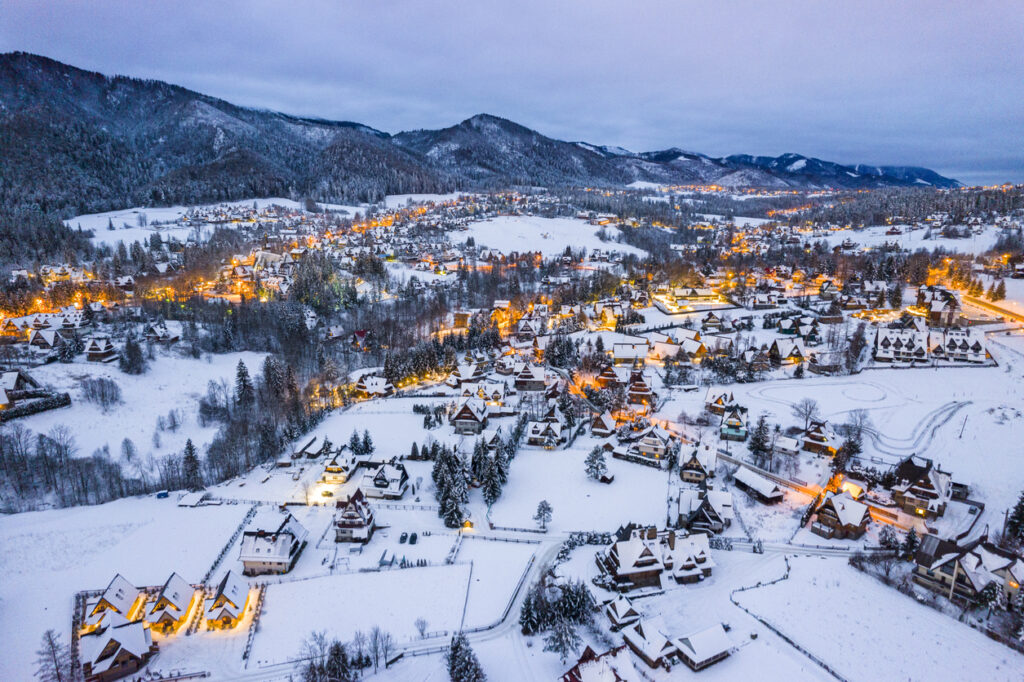
- Zakopane (Poland): The charming “winter capital of Poland,” known for its unique wooden architecture, vibrant street market, and access to hiking trails.
- Morskie Oko: A stunning mountain lake reachable by a popular hike or horse-drawn carriage, a rewarding day trip for active groups..
Accommodation and dining for groups
Booking group accommodations
Booking perfect accommodation can be tricky, You can explore your own options on Booking websites or can take assistance from Our Recommended Central European Experts in Poland. You can Connect ik Travels here.

- Hotels: Many larger hotels in Central European cities are well-equipped to handle group bookings, offering twin or triple rooms and group breakfast rates.
- Aparthotels & Hostels: For a more social and budget-friendly atmosphere, modern hostels and aparthotels offer multi-bed rooms and communal spaces, which are often preferred by student or youth groups.
- Holiday Homes: renting an entire house can provide a more personalized and comfortable experience.
Restaurant Recommendations
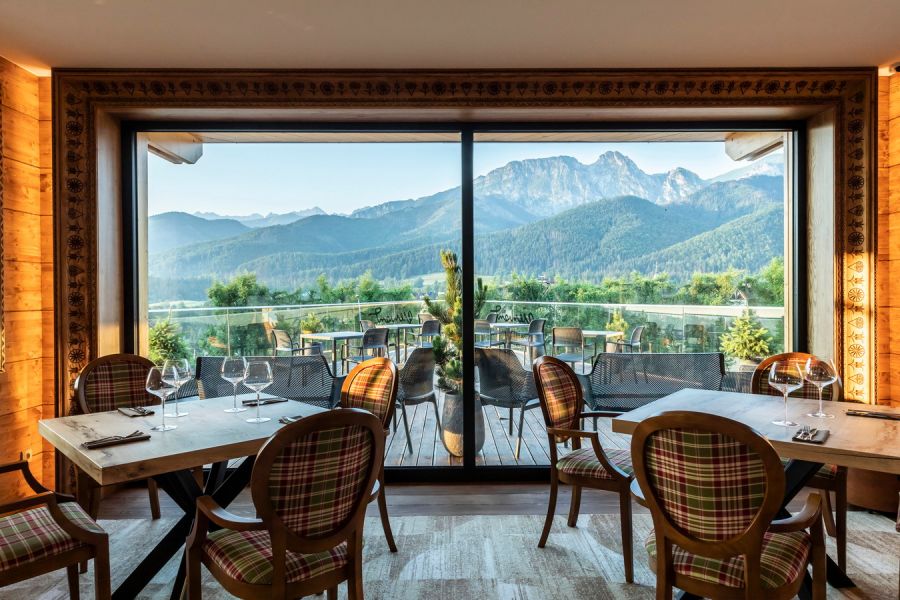
- Hearty Classics: Central European cuisine is comforting and filling. Plan a group dinner to try Polish pierogi (dumplings), Hungarian goulash (a rich stew), or Austrian schnitzel.
- Street Food: For a quick and fun group snack, try a zapiekanka (open-faced baguette) in Poland or a sweet, chimney-shaped trdelník in Prague.
- Market Halls: Visit places like the Great Market Hall in Budapest or the Old Town Market Place in Warsaw for a wide variety of local foods and a lively atmosphere.
- Paella: A Spanish specialty that should be savored as a group.
- Local Markets: Markets like Mercado de San Miguel in Madrid offer a variety of gastronomic options for all tastes.
Cultural tips and etiquette for groups traveling in Europe
- Meal Times: Unlike in Southern Europe, lunch is typically served between 12:00 PM and 2:00 PM, and dinner from 6:00 PM to 8:00 PM. It’s best to book group tables in advance.
- Greetings: A firm handshake with direct eye contact is the standard greeting. In more formal situations, people may use titles.
- Language: While English is widely spoken in tourist areas, learning a few basic phrases is always appreciated. A simple “Dziękuję” (Polish), “Děkuji” (Czech), or “Köszönöm” (Hungarian) for “thank you” goes a long way.
Traveling as a group from Poland through Central Europe can be an incredibly enriching experience. The region’s dense history, stunning architecture, and hearty cuisine provide endless opportunities for discovery. With careful planning, comfortable coach transport, and an appreciation for local customs, your group is set for an unforgettable journey across the heart of the continent..